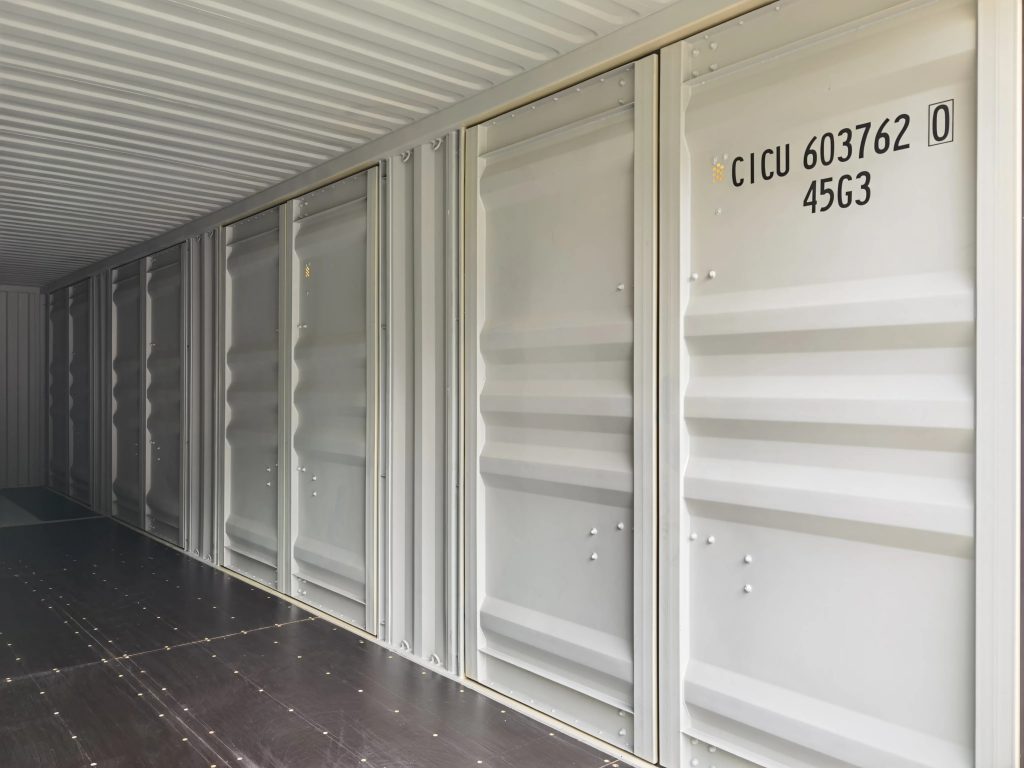
Understanding 45ft Containers: A Comprehensive Guide
On the planet of shipping and logistics, the dimensions and kinds of containers are crucial for efficiency and cost-effectiveness. Amongst these, the 45ft container sticks out due to its adaptability and capacity. Whether used for carrying bulk products, commercial equipment, or personal products, the 45ft container uses substantial benefits. This article will dive into the features, benefits, dimensions, and frequently asked questions concerning 45ft containers, offering an informative guide for businesses and people alike.
What is a 45ft Container?
A 45ft container, also called a 45-foot shipping container, is a standard container used in the shipping and freight industry. While the normal shipping container steps 20ft or 40ft in length, the 45ft container bridges the gap, offering extra storage space without the logistical obstacles posed by even larger alternatives. Created for intermodal transportation, these containers adhere to international shipping policies, making them ideal for various modes of transport, including ships, trucks, and trains.
Secret Features
| Feature | Description |
|---|---|
| External Dimensions | Length: 13.7 m (45.0 ft) Width: 2.44 m (8.0 ft) Height: 2.59 m (8.5 ft) |
| Internal Dimensions | Length: 13.4 m (44.5 ft) Width: 2.35 m (7.7 ft) Height: 2.39 m (7.9 ft) |
| Volume | Approximately 76.4 cubic meters (2,694 cubic feet) |
| Payload Capacity | Normally around 30,480 kg (67,200 lbs), however can differ depending on the container type |
| Material | Generally made of top quality corten steel, ensuring resilience and rust resistance |
Benefits of Using 45ft Containers
- Increased Capacity: The extra length allows for more cargo without significantly increasing transportation costs. This can lead to lower per-unit shipping expenses for services carrying large volumes.
- Versatility: 45ft containers can accommodate different items, from fabrics to heavy equipment. They are ideal for industries requiring diverse shipping requirements.
- Improved Efficiency: Using fewer containers for the very same amount of cargo optimizes loading efficiency and lowers managing times at ports.
- Affordable: Businesses can minimize shipping charges due to their greater capability. Furthermore, utilizing fewer containers can lead to reduced terminal handling and loading expenses.
- Suitable for International Shipping: They meet worldwide shipping requirements, making them a reliable choice for cross-border transportation.
Types of 45ft Containers
| Container Type | Description |
|---|---|
| Requirement Dry Container | Enclosed and weatherproof; most typical type of container |
| High Cube Container | Offers an extra foot in height for increased interior area |
| Reefer Container | Temperature-controlled for perishable products |
| Open Top Container | Developed for extra-large loads that can not fit through doors |
| Flat Rack Container | Perfect for heavy cargo and equipment that can't fit within standard containers |
Dimensions Breakdown
To better comprehend the specifics of 45ft containers, here is a breakdown of their dimensions in a table format:
| Dimension | Measurement |
|---|---|
| Length | 13.7 m (45.0 ft) |
| Width | 2.44 m (8.0 ft) |
| Height | 2.59 m (8.5 ft) |
| Internal Length | 13.4 m (44.5 ft) |
| Internal Width | 2.35 m (7.7 ft) |
| Internal Height | 2.39 m (7.9 ft) |
| Door Opening Width | 2.34 m (7.7 ft) |
| Door Opening Height | 2.28 m (7.5 ft) |
Frequently Asked Questions (FAQ)
1. What sort of items can be transferred in a 45ft container?
45ft containers can accommodate various cargo types, consisting of non-perishable items, equipment, textiles, and cars. The kind of container selected (standard, high cube, reefer, and so on) will depend upon the nature of the items being shipped.
2. How does a 45ft container compare to a 40ft container?
While both are popular alternatives in shipping, the 45ft container offers more area-- roughly 76.4 cubic meters compared to 67.7 cubic meters for a 40ft container. The additional length is especially beneficial for services that require to deliver larger volumes of items.
3. How are 45ft containers transferred?
These containers can be transferred by means of ships, trucks, and freight trains, making them highly versatile for intermodal transportation.
4. Can 45ft containers be stacked?
Yes, 45ft containers are designed to be stackable, increasing storage performance at ports and during transport.
5. Are 45ft containers offered for purchase or only for rent?
Both choices are offered. Businesses can purchase containers for long-term usage or rent them for particular shipping needs.
In summary, the 45ft container is a vital property in logistics and shipping, striking the best balance in between capability and functionality. Its versatility makes it appropriate for various industries and shipment types, improving efficiency and cost-effectiveness. Comprehending the features, dimensions, and types of 45ft containers permits businesses and individuals to make informed decisions while optimizing their shipping procedures. Whether Leg1 Container choose to acquire or lease, investing in a 45ft container might be a game changer for your transportation needs.